Core Landscape Edging Install Plus a Full Yard Cleanup
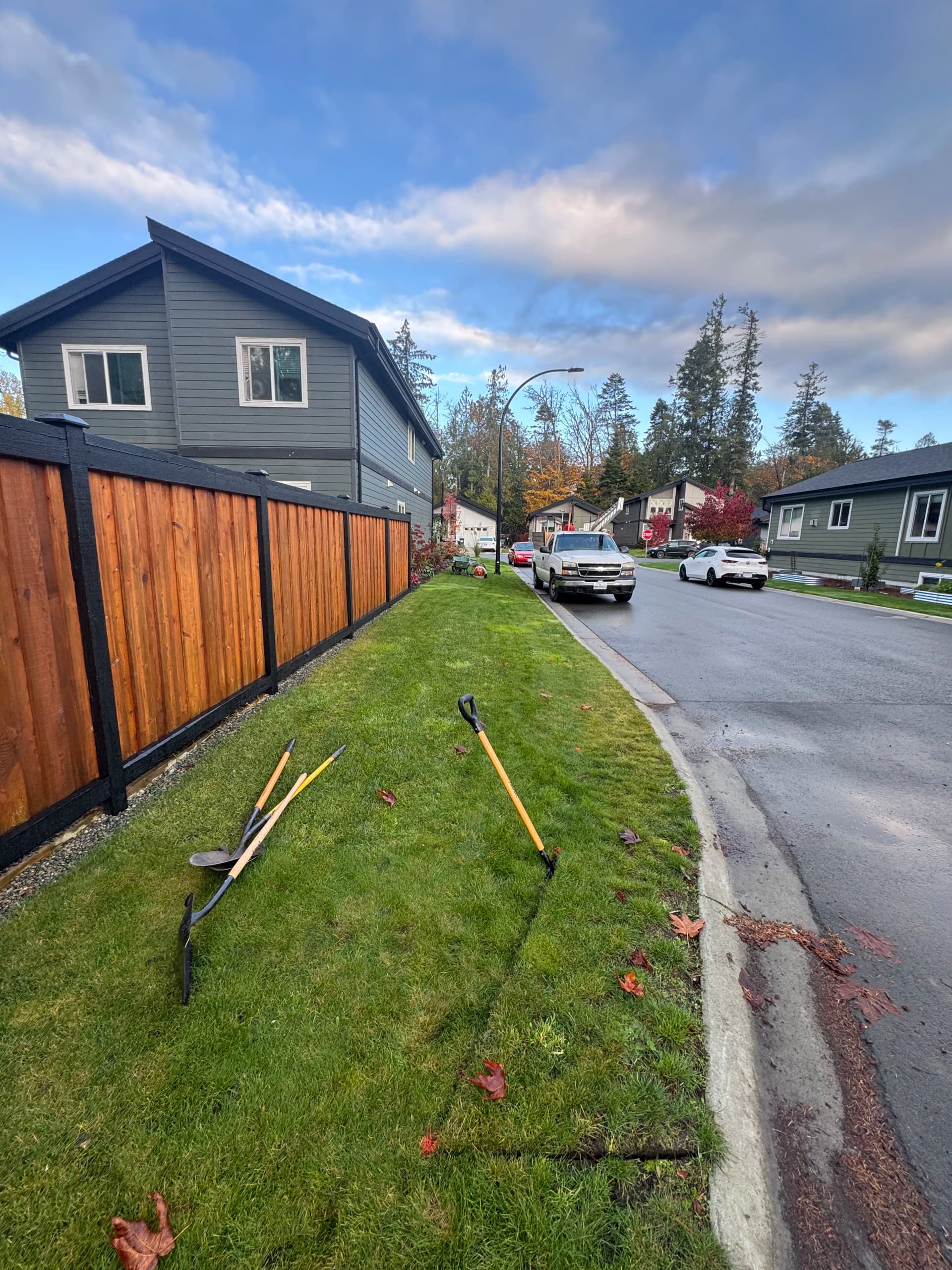
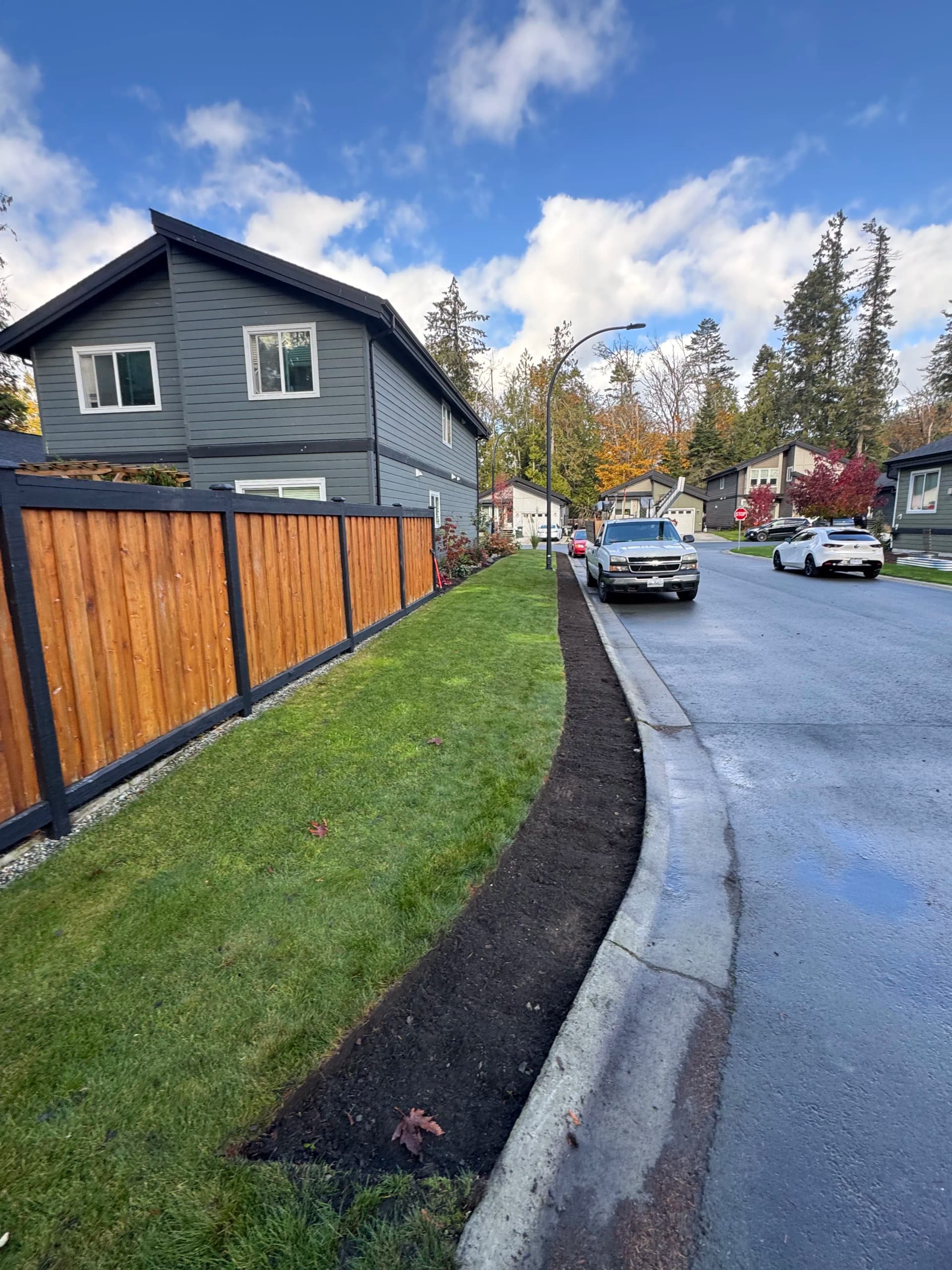
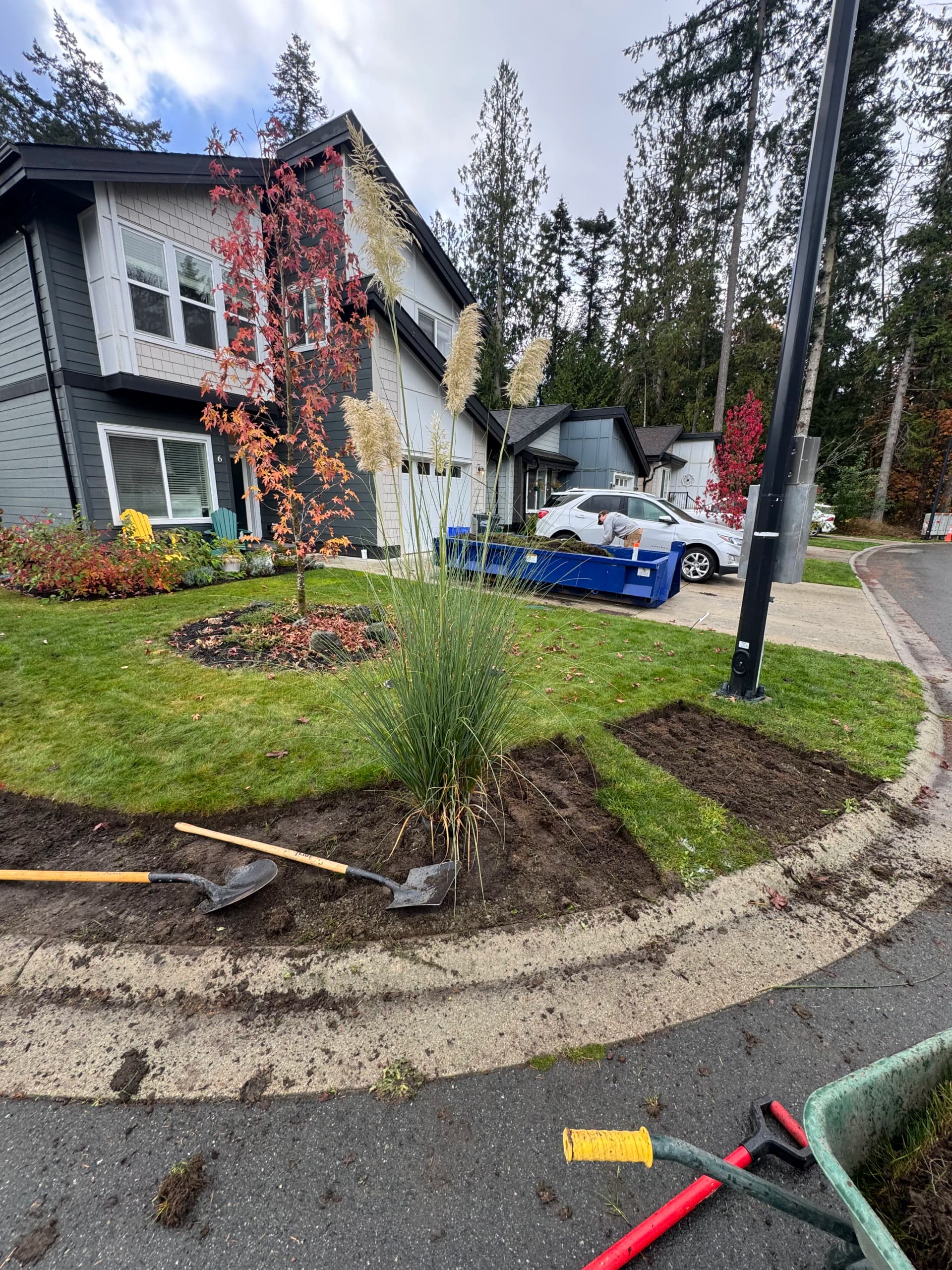
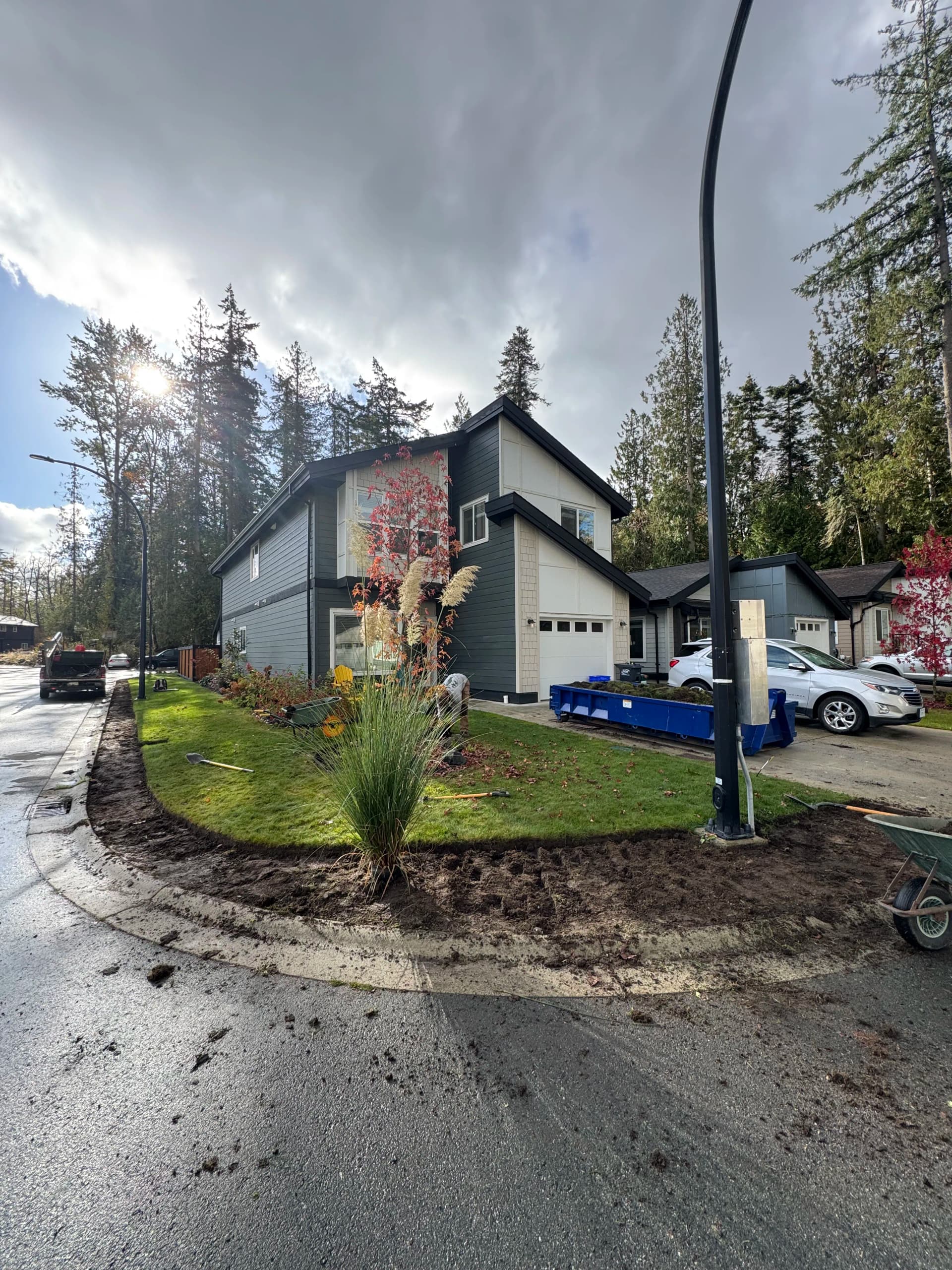
Edging is one of those things that quietly makes or breaks how a yard looks. When the borders between your lawn, garden beds, and hardscape are soft and overgrown, everything just reads as messy - even if the grass is cut and the plants are healthy. That's exactly the situation we were working with here, and phase one was all about getting those lines where they needed to be before we could do anything else.
We used Core landscape edging for this one. It's a product we really like because it holds a clean line long-term without shifting or buckling the way cheaper edging tends to. Getting it in right takes real effort - you're cutting sod, pulling material, and setting everything flush so the finished product actually looks intentional. It's physical work, but you can see exactly why it's worth it once the border is clean and defined.
The difference shows up in the lawn strip along the fence line. That tight, clean separation between the grass and the gravel bed underneath the fence makes the whole front stretch look sharp and deliberate. Same goes for the curved planting areas out front - those flowing, well-defined bed edges give the ornamental grasses and Japanese maple room to stand out instead of blending into the lawn.
This was phase one, which means the landscape installation work continues. We're prepping the beds to receive new plantings and getting the groundwork right so whatever goes in next has a proper foundation. Good edging isn't just cosmetic - it keeps roots where they belong, holds mulch in place, and makes ongoing lawn maintenance a lot easier over time.
If your yard borders are looking tired or the line between your lawn and beds has basically disappeared, clean edging goes a long way. It's one of the higher-impact things we do, and the results speak for themselves.